
How to Search the Lexington Court Docket
Begin with the heading on the citation, notice, or receipt. Lexington Municipal Court covers city ordinance, traffic, code, nuisance, business, and environmental matters. A county filing that started in Lexington is different. It may belong to Circuit Court, General Sessions Court, or Chancery Court. The city offers no public, case-by-case calendar or name-search database for its municipal court. So call the clerk first. Keep the citation or municipal case number ready. Also have the name as written, the issue date, the appointed court date, and the issuing department. State your need plainly. It might be a hearing date, a correction, a payment, a disposition, an inspection, or a copy. Those details let the clerk sort similar names and old files apart.
- Read the court and issuing authority.
- For a city matter, call the municipal clerk.
- Give the identifier and requested event.
- Use nCourt only for its payment function.
- For a county matter, contact the named county clerk.
Lexington Court Docket Address Clues
Three Lexington addresses serve three different jobs. Municipal sessions take place at 17 Monroe Avenue, second floor. Crystal Roberts, the Municipal Court Clerk, works from an office at 88 First Street. Henderson County Circuit and General Sessions matters are handled at 170 Justice Center Drive. A payment instruction that mentions City Hall tells you nothing about the hearing room.
Session
17 Monroe Avenue, second floor
Lexington, TN 38351
Clerk
88 First Street
(731) 968-5331
County route
170 Justice Center Drive
(731) 968-2031
Confirm your destination before you drive over. Posted office hours and an evening session serve two different functions, and the city publishes nothing on parking, security, accessibility, or public terminals.
The Lexington Municipal Court
Lexington Municipal Court is the judicial arm for city ordinances. Its stated work spans traffic, code, nuisance, business, and environmental matters. That jurisdiction sits apart from the Henderson County trial courts. Even so, every office carries a Lexington address. The court name on your paper matters more than geography. Official city information schedules sessions for Tuesday nights. The time is 5:00 p.m. on the appointed date. That phrase deserves attention. A set session time does not create a searchable weekly list. It also does not prove your citation is still on the calendar. The clerk can tell you more. She can say whether a matter was reset, corrected, paid under an allowed process, dismissed, or resolved another way.
Lexington Citation Payment Is Not Search
The city routes online Court Citations payments through nCourt. That system is a payment channel. It is not a public archive of Lexington court docket filings. An amount due, or a successful payment, is never a substitute for an official disposition. The Lexington online payments source shows that route and its narrow purpose.
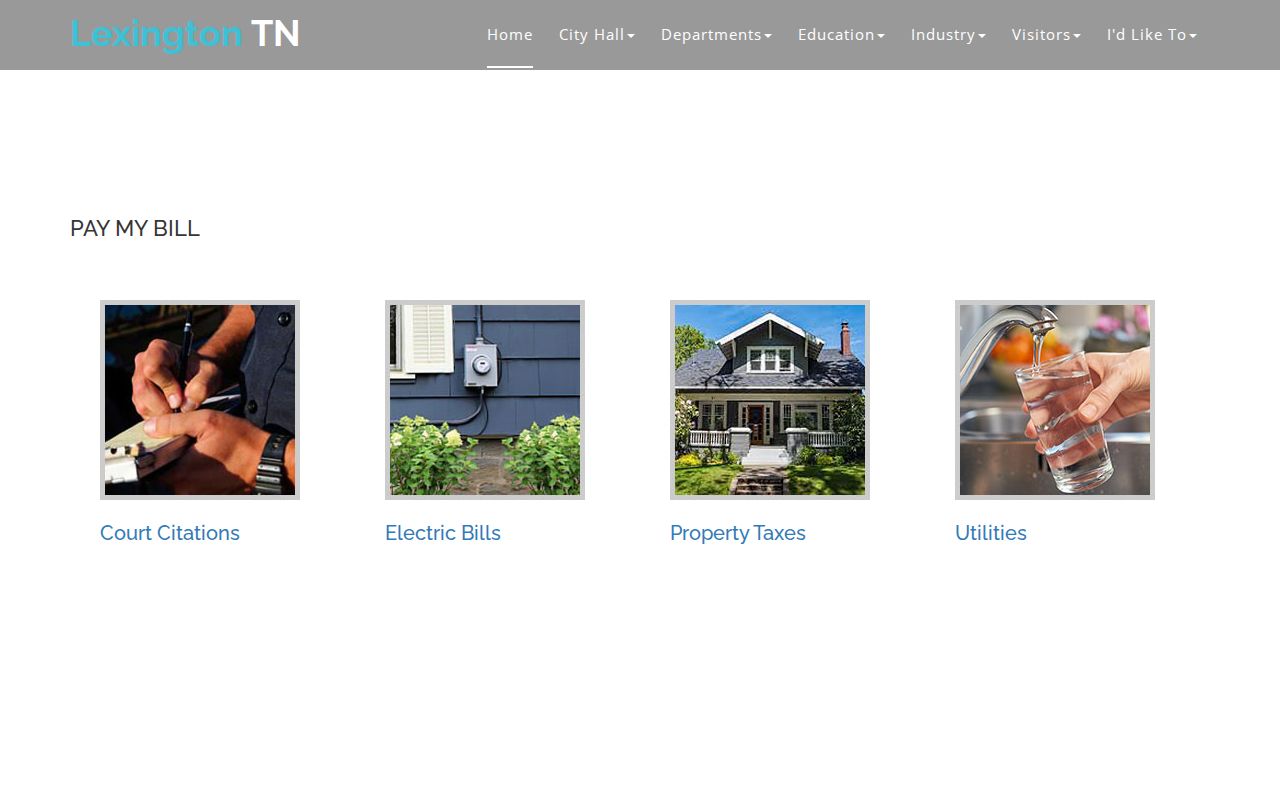
That page names the payment channel and nothing more. For a judgment, a correction record, a hearing date, or a certified copy, ask Crystal Roberts for the municipal record.
Lexington Court Dates and Settings
Check any Lexington court date against the individual citation. The recurring Tuesday session gives context. Only the clerk can confirm your case is set for the appointed date. Ask what kind of setting it is. It may be an appearance, a trial, a compliance review, or something else. Ask too whether a written notice or docket printout exists.
| Date | The appointed Tuesday confirmed for the case |
|---|---|
| Time | Municipal sessions are stated as 5:00 p.m. |
| Location | 17 Monroe Avenue, second floor, unless changed |
| Court | Lexington City Municipal Court |
| Setting Type | The clerk’s exact event label |
Never treat a payment deadline as a court date. City guidance keeps payment timing separate from the session place and the clerk's office.
Lexington Court Docket Field Guide
Read a municipal entry field by field. The identifier may be a citation number or a case number. The authority line tells you which ordinance or traffic matter is charged. The setting shows when the court expects action. Payment and correction status can appear in the record. Neither is a final outcome without a disposition.
- Setting
- The scheduled court event, which can change.
- Disposition
- The court’s recorded resolution in its own terms.
- Proof of correction
- Material showing a cited condition was repaired.
- Certified copy
- A copy authenticated by its custodian.
For an older ordinance file, ask whether the clerk still keeps it or whether it moved to an archive. Old entries may not match the format of the current payment record.
Lexington Traffic Tickets
Start by reading the named court, the issue date, the officer or department, the citation number, and the appearance instruction. On defective-headlight matters, the official FAQ directs you to 88 First Street with the citation and proof of repair. Financial-responsibility citations require appearance at the proper time. The FAQ also says fines may be paid up to two weeks after the court date, not before. Amount questions go to City Hall at (731) 968-6657. Mail instructions use P.O. Box 1699, Lexington, TN 38351. Confirm current rules before relying on any of it. County citations follow a separate route in Henderson County traffic court records.
Lexington Court Docket Contact Sources
The official Lexington contacts connect city offices with the municipal court.
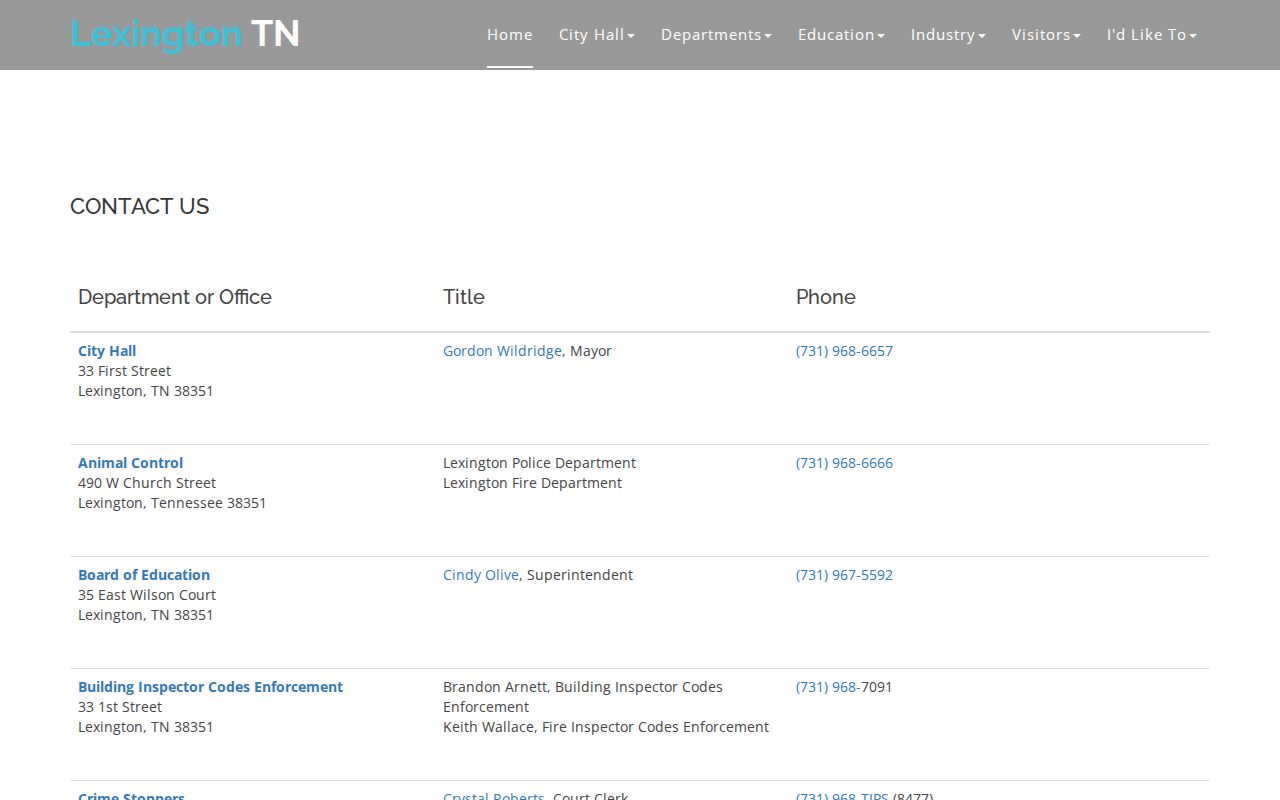
The official material supports the city-court distinction, not a full docket search. Your citation details still drive the request. The Tennessee municipal judges directory adds state court context for the municipal tier.
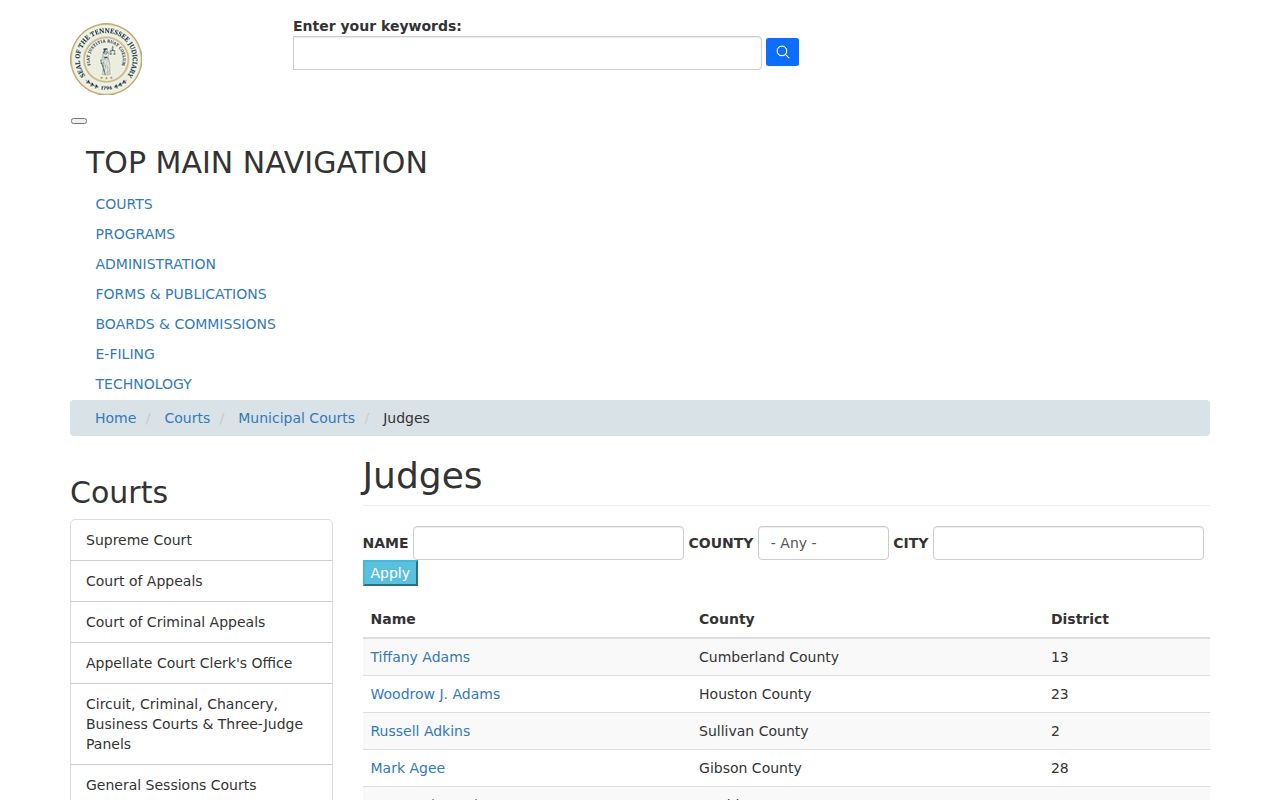
A directory gives you official context. The clerk is still the route to a live setting or a copy.
Where Lexington Cases End Up
Cases above the municipal tier are not Lexington Municipal Court records just because the events happened in the city. Start with Beverly Dunaway's office for Henderson County Circuit and General Sessions matters. Leigh Milam handles Chancery, probate, estate, guardianship, and related equity records at 17 Monroe Street.
Docket flow: Lexington Municipal Court › Henderson County Courts › Henderson County Chancery Court / Circuit Court / General Sessions Court
If an appeal exists, Tennessee Public Case History may list appellate milestones, though it is not a trial search. The Henderson County court docket explains the county offices in depth.
Lexington Population Record Context
Lexington serves as the seat of Henderson County and its largest incorporated city. The CTAS baseline puts the population at 7,652 residents. That figure is context only. It says nothing about how many cases sit on a court docket. Nor does it show what any person's record holds.
For the number behind that count, the official Census estimates tables are the update source.
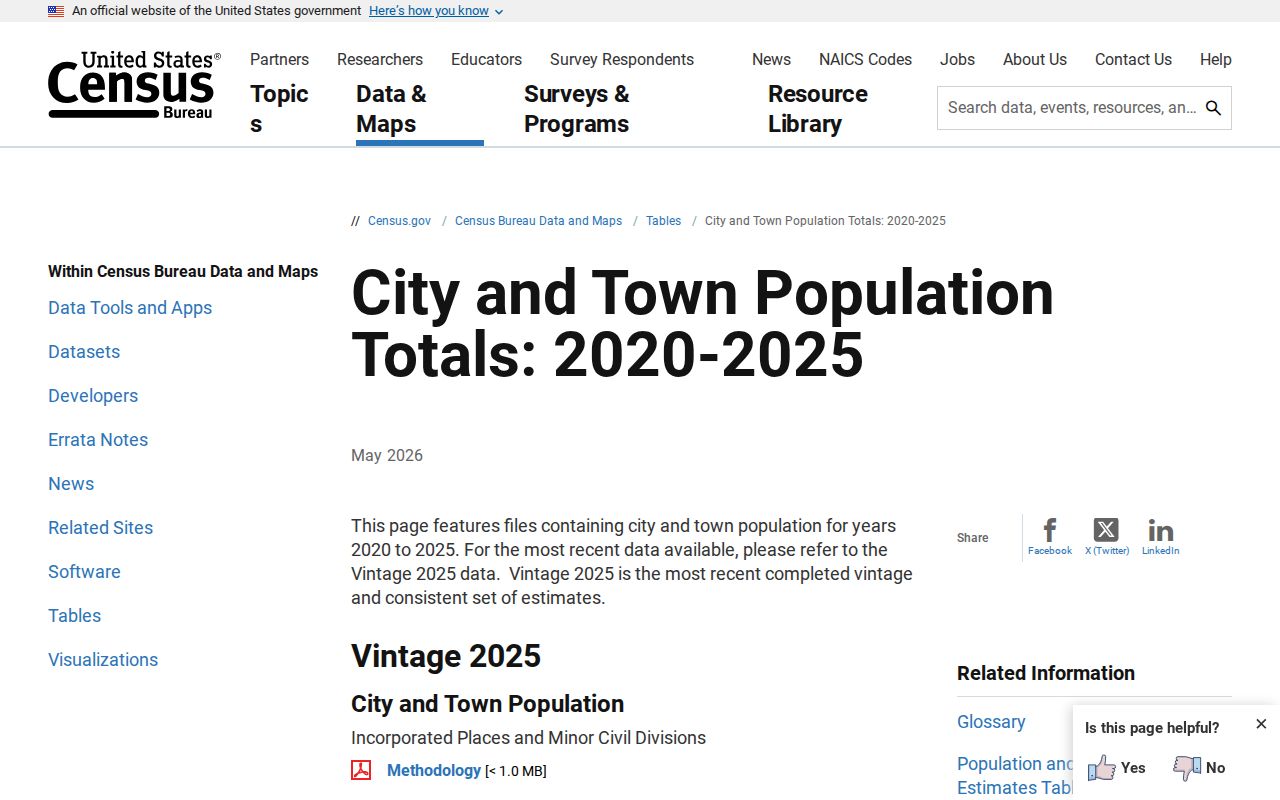
Match any population figure to its source year, and remember that a head count never changes which clerk keeps a case.
Requesting Lexington Court Docket Copies
Start by pulling together the details: the citation or case number, the document you want, the event date. Add your preferred format. Inspection, a plain copy, and a certified copy are three different products. Ask for them as separate choices. Lexington publishes no municipal fee table and no standard online request form. Get a current quote and delivery estimate straight from the clerk. Name one item per request. That might be a setting notice, a judgment, a proof-of-correction entry, or a payment receipt. Give the name exactly as printed on the citation, plus a rough date range. Ask whether the office can send it electronically, by mail, or only through pickup. If you need certification, say so up front, because a certified copy is not the same as a photocopy.
What if the search comes up empty? Write down the exact response. "Not held here," "not public," and "no match under these terms" carry three different meanings. Do not call the search complete yet. Vary the spelling, the date range, the court name, and the issuing department. A Lexington clerk may need the officer or department that issued the citation. The number alone may not resolve it. For an old ordinance matter, ask whether the index still uses a prior format. Also ask whether the paper file has moved. The office may refer you elsewhere. Log the office name, phone number, and the reason. That trail keeps the next caller from repeating a dead-end docket search.
Fees need a direct answer too. No universal Lexington price exists for inspection, ordinary copies, certified copies, postage, or staff-assisted research. Ask for a written estimate before paying. Confirm whether the sum covers the record copy or a separate citation balance. Keep in mind that a fee quote says nothing about case status. When you need proof of disposition, request the official entry itself.
Public Access to Lexington Court Records
Tennessee treats court records as public unless a statute, rule, or case order says otherwise. Ask for the exact docket entry, judgment, citation-register item, receipt, or correction record you need. Juvenile information, sealed material, and protected personal data can be withheld or redacted.
Key rules:
Tennessee Supreme Court Rule 34 recognizes public court-record access with lawful restrictions.
Tennessee Public Records Act guidance explains municipal-record access for Tennessee citizens, subject to exceptions.
A referral only routes your request. It does not prove no Lexington case exists, so verify the custodian and the current status yourself.
Keep a log of every Lexington search: the citation number, the date you called, the office you reached, the terms used. Add the exact reply. A referral, a restriction, and a no-match answer each lead to a different next step. A payment inquiry can get tangled up with a judicial-entry request. The log keeps them apart.
Before you close a Lexington record inquiry, repeat the case identifiers to the municipal clerk. Ask the staff person to read back the court name, the current setting, and the status. The citation, the appointed date, and the city ordinance authority all help. You avoid a false match on a common name. Ask when the information was last updated and whether a later order changed anything. If an appearance is required, confirm 88 First Street. Also ask whether the time is a general docket call or an individual setting.
For copies, say plainly whether a plain image works or whether you need certification. Treat page charges, certification, postage, accepted payment, and production time as separate questions. Guess at none of them. Inspection may be an option. Ask how to arrange it, and whether the record is paper, electronic, or archived. A clear answer up front saves a second request.
Press for precision on access limits too. If an item is withheld or redacted, ask for the rule or order cited. Ask also whether a public docket line remains open. Skip requests for protected personal details. The goal is the official event and its current public status. Note the date, the staff role if offered, and the exact response. That habit turns a phone or counter search into a Lexington court docket check you can reproduce.